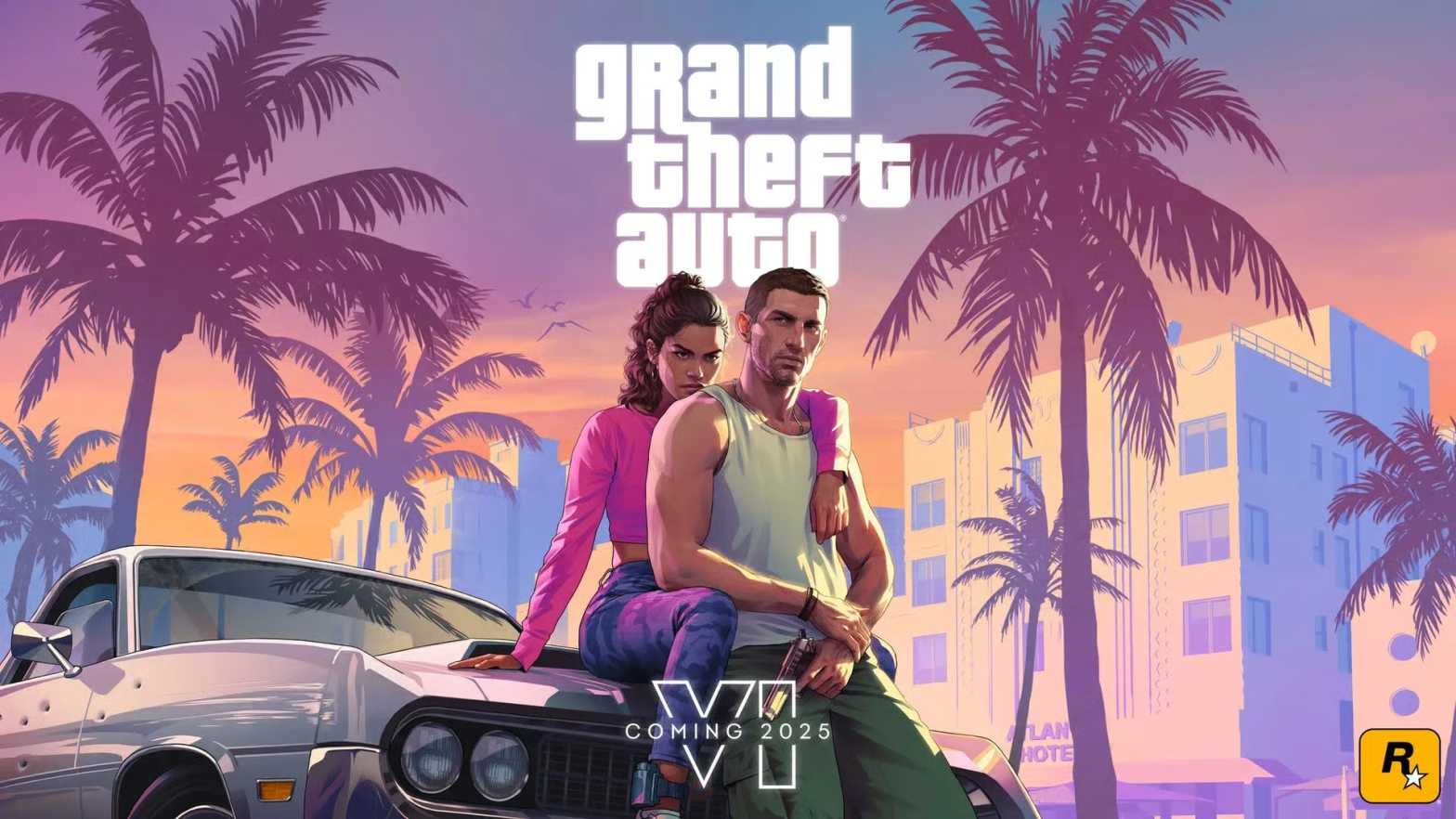
Jason dan Lucia, dua protagonis utama dalam game ini, membawa dinamika baru dalam franchise GTA dengan hubungan yang lebih kompleks dan mendalam. Berbeda dari seri sebelumnya yang umumnya berfokus pada satu karakter, GTA VI menghadirkan narasi dari dua perspektif yang saling melengkapi. Kisah mereka bermula ketika sebuah rencana perampokan sederhana berubah menjadi bencana, membawa mereka ke sisi tergelap dari kota paling cerah di Amerika. Dunia terbuka yang dihadirkan Rockstar Games kali ini diklaim sebagai yang paling ambisius dengan sistem cuaca dinamis, ekosistem satwa liar yang hidup, dan interaksi NPC yang lebih natural.
Grand Theft Auto VI: Fenomena yang Mengubah Lanskap Industri Game 2026
Grand Theft Auto VI adalah game terbaru yang paling dinanti sepanjang sejarah industri gaming dengan tanggal rilis yang telah dikonfirmasi pada 19 November 2026. Kehadirannya tidak hanya menjadi momen penting bagi para penggemar Rockstar Games tetapi juga mengubah strategi rilis banyak publisher besar yang memilih menghindari kompetisi langsung dengan game ini. Berlatar di negara bagian Leonida yang terinspirasi dari Florida, game ini menghadirkan dunia terbuka paling ambisius dengan sistem cuaca dinamis dan ekosistem yang hidup. Bagi Anda yang mencari hiburan gaming berkualitas sambil menjelajahi berbagai pilihan permainan menarik, kunjungi sukawin88 untuk pengalaman bermain yang tidak kalah seru.
Dari sisi gameplay, GTA VI menghadirkan berbagai inovasi yang membuatnya layak disebut sebagai game paling revolusioner dalam franchise ini. Sistem misi yang lebih fleksibel memberikan kebebasan kepada pemain untuk menyelesaikan objektif dengan berbagai pendekatan berbeda. Mekanik stealth yang lebih matang, sistem ekonomi yang lebih kompleks dengan peluang investasi, serta peningkatan signifikan dalam aspek role-playing membuat game ini menawarkan kedalaman yang luar biasa. Mode online yang akan menyusul setelah perilisan juga diprediksi akan menjadi evolusi besar dari GTA Online yang telah menjadi fenomena selama lebih dari satu dekade.
Aspek teknis GTA VI juga menjadi pembicaraan hangat di kalangan pengembang dan kritikus game. Penggunaan teknologi ray tracing tingkat lanjut, sistem AI yang lebih cerdas untuk NPC, serta loading time yang hampir tidak terasa berkat SSD menjadi beberapa highlight utama. Rockstar Games dikabarkan menghabiskan anggaran produksi yang mencapai angka fantastis, menjadikannya salah satu proyek hiburan termahal yang pernah dibuat. Dengan skala ambisi yang sedemikian besar, GTA VI tidak hanya sekadar game, tetapi sebuah peristiwa budaya yang akan mempengaruhi cara kita memandang game open-world untuk tahun-tahun mendatang.